While many mid-priced brands and fast fashion retailers have seen better times as of late, the good old-fashioned dollar store has continued to thrive. As reported by Modern Retail, data from e-commerce analytics firm Edge by Ascential reveals that discount retail stores have been growing at a faster rate than other retail sectors in the United States.
According to the figures, non-food value-based or discount retailers are expected to grow at an annual rate of 5.2 per cent through 2024. Meanwhile, food discount stores (the equivalent to our No Frills) are forecast at 4.9 percent. On the other hand, supermarkets are expected to grow at a more modest rate of 4.4 per cent, and superstores at a rate of 2.7 per cent.

The report revealed that more than 900 Dollar General stores were expected to open south of the border, in addition to a net increase of 160 Dollar Tree and Family Dollar discount stores.
In fact, new stores seem to have popped up everywhere. The rapidly growing company is currently valued at an impressive $3-billion.

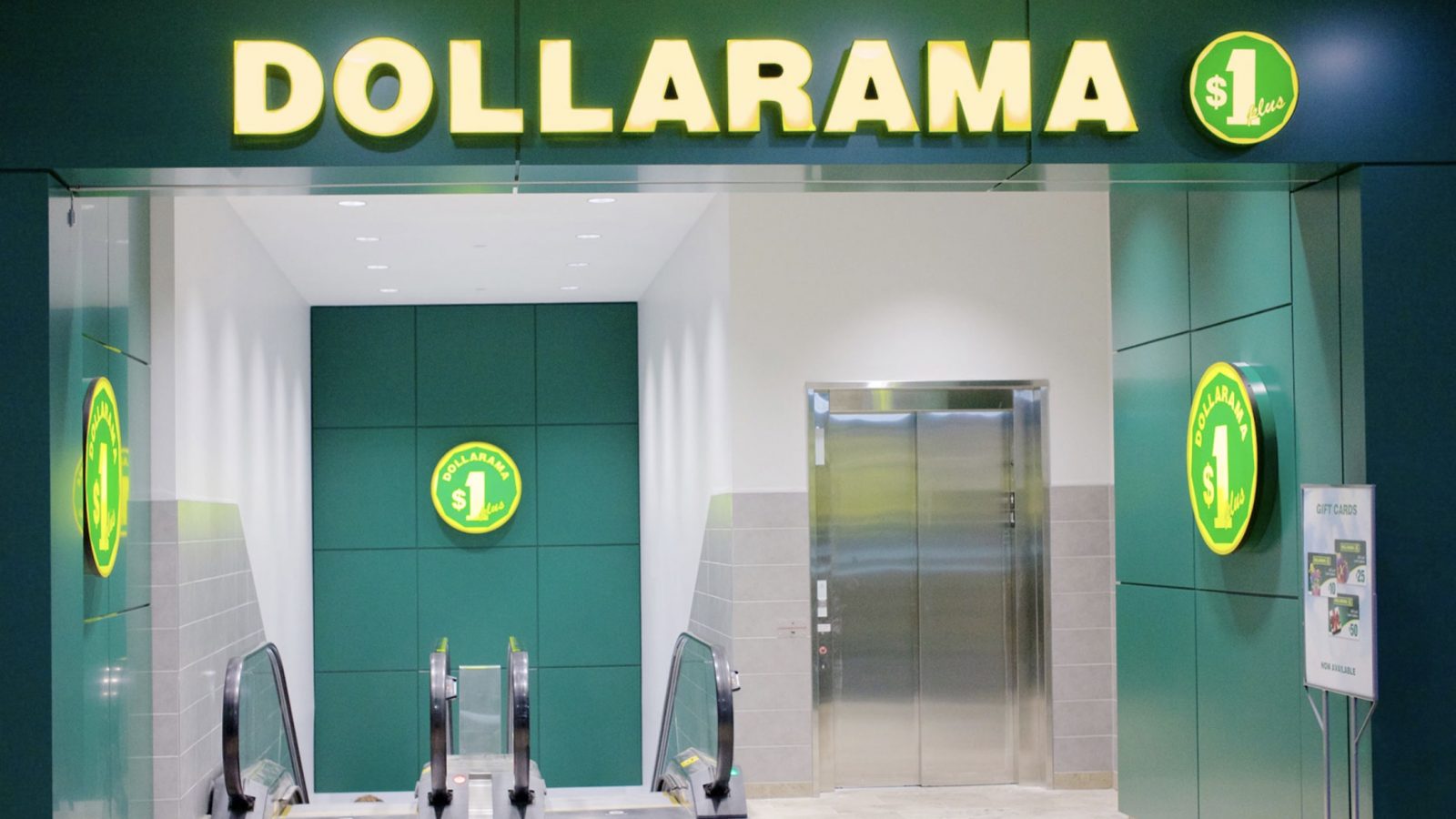
Furthermore (as you probably know), a far cry from a go-to for pens, balloons, and candy, Dollarama has increased its offerings in recent years. The retailer offers similar items as the big box suburban staples like Walmart and Canadian Tire, but at more affordable prices.
Items generally range from $1 to $4 and price increases are kept at a minimum – something customers know they (and their wallets) can rely on.

The typical dollar store customer is changing, after all. In the U.S., it’s the more affluent customers – those who earn $70K a year or higher – who are making the largest impact in the dollar store sector, according to The New York Times.
This demographic comprises over 22 per cent of the customer base. In some cases, the bells and whistles of the shopping experience make no difference whatsoever to deal-seekers.
Because dollar stores lack all the said frills and fancier design of traditional retail outlets, discount retail spaces are relatively affordable to open and overhead costs are kept at a minimal. These retailers forgo advertising and keep the spaces as basic as possible, terrible lighting and all. And it works.

As Meagan Campbell highlights in a recent Macleans article, the key to dollar store’s success comes from selling cheap knock-offs of more expensive brands. From pencils and liquid soap, to toys, they are pretty much carbon copies of the real deals, with similar packaging – right down to the colour of the packaging and its accompanying text.
The knock-off game – though not without its occasional lawsuits – is a hugely lucrative one, as Dollarama continues to rake in the cash thanks to the higher profit margin that comes with selling products at a fraction of the cost of the real thing. For the most part, the retailer is getting away with it.

After all, most people have a Dollarama store within a short walk or drive away. The thing about dollar stores is that they are often quick fixes, catering to convenient last-minute purchases like Halloween costumes or party favours– something the online world can’t do.
In Canadian cities like Toronto and Vancouver – where ridiculously high housing costs leave little in the way of extra cash – discount shopping may be more of a necessity than a last-minute fix. In today’s world, there is no shame in being strategic on dollars you spend (and save).
Articles You May Be Interested In:
6 Of The Best Dollar And Variety Stores To Shop In Toronto
11 Items You Should Never Buy At The Dollar Store
The Ultimate 2019 Holiday Gift Guide
8 Cheap And Cozy Winter Dates To Go On In Toronto
I Updated My Kitchen For $50 At Dollarama, Here’s What It Looks Like