

If you’re looking for some extra cash, you may want to get into the sneaker reselling business. Rather than gracing the feet of a new owner shortly after purchase, countless pairs of sneakers now sit tucked away in boxes, never to see the light of day – until the price is right, that is.
A coveted pair of sneakers may be worth holding onto because they often appreciate over time (there’s even a TED Talk on why sneakers are a good investment.)

Like never before, sneakers – especially those unworn and neatly preserved in their original box – have become collector items. Thanks to a flourishing sneaker boom, the resale market has exploded to become a massive industry.
A handful of resale shoe retailers have become multi-million dollar entities and emerging companies have started to follow in their footsteps.
As sneakers continue to have a major moment, the demand has resulted into the emergence of this thriving secondary market. Valued anywhere from $300 million to $1 billion, according to a recent article by GQ that dives into the world of sneaker and shoe reselling.
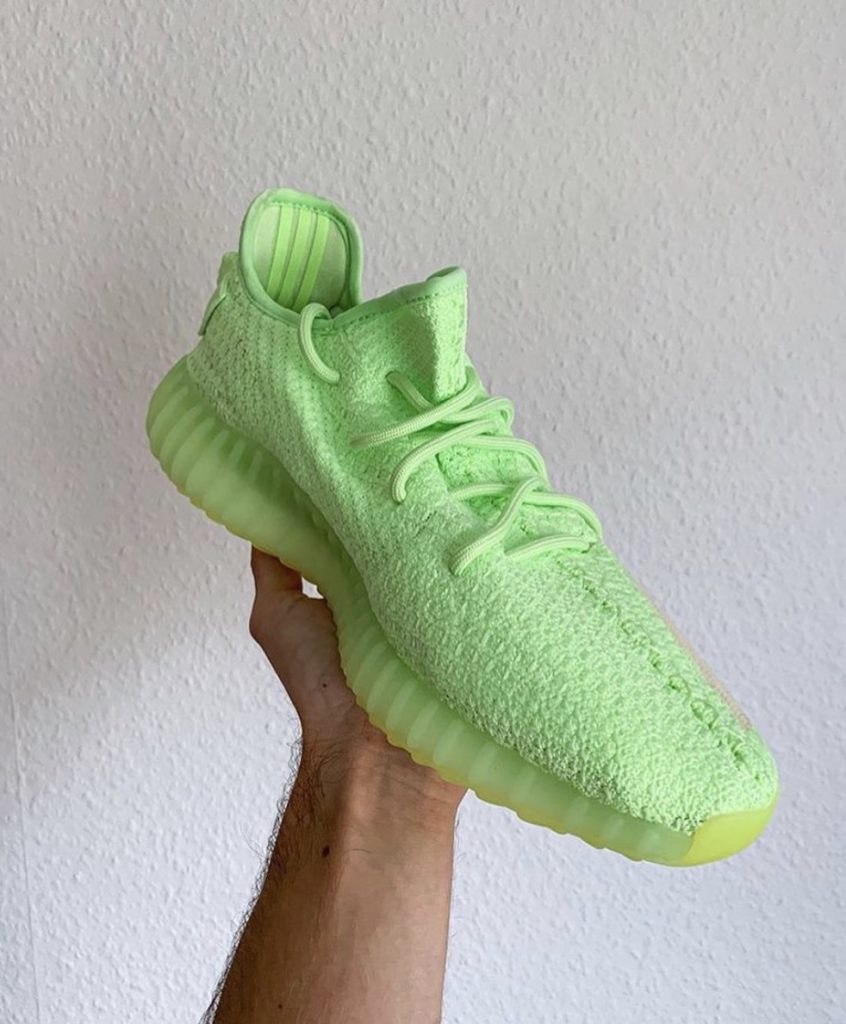
According to GQ, New York-based shoe reseller Stadium Goods – an industry leader in the shoe resale game – receives around 2,200 pairs of Kayne West’s Yeezy 350 kicks every day(!) at either its Manhattan store or its New Jersey warehouse, where customers can send shoes via mail.
The publication also reports that on a random day this year Stadium Goods’ inventory was broken down as such: 25 per cent Jordan, 20 per cent Nike, 20 per cent Yeezy, 15 per cent Adidas and Reebok, Vans, New Balance, Asics and others comprising the remaining 20 per cent.

As GQ reports, Grailed brought in a cool $15 million in 2018. Furthermore, GOAT received $100 million from footwear giant Footlocker earlier this year, and StockX is now valued at over $1 billion, thanks to a massive investment of $110 million earlier this past summer.
Firstly, it’s become a common strategy for brands to create a sense of scarcity and subsequent urgency for their products by generating ample buzz and ensuring the supply is kept below the demand. Hence, the long mall lineups when ever the latest and greatest sneaker is released.
The fact that a growing number of celebs have collaborated with some of the world’s largest footwear brands to create limited editions also contributes to this.
Naturally, the emergence of the online marketplace also played a major role, as did the rise of the “sneakerhead” set from an underground culture and their accompanying shoe-filled Instagram accounts.
While the surge in the resale sneaker market has been great for businesses, it also helps the sneaker seller by offering a legitimate and regulated marketplace to sell their kicks for cash, as opposed to the sometimes-sketchy aftermarket of times past.
For the consumer, such companies provide the stamp of approval that a new pair of shoes is legitimate, and not a knockoff thanks to practices in place to separate the real from the fake.

While Footlocker clearly sees value as evidenced by its huge investment referenced above, others aren’t too thrilled about it. In November, Nike released a pair of Jordan 1s that came complete with messaging that read “Wear Me” (on the tongue of the shoe), “Please Crease” (on the toebox) and “Not for Resale” (on the midsoles).
Either way, the sneaker reselling market remains as hot as ever and doesn’t show signs of slowing. North America’s market for resale sneakers and streetwear is projected to reach $6 billion by 2025 from $2 billion today, according to investment bank Cowen (as reported by the New York Times).
So, camping out in front of that footwear store for a coveted pair of sneakers on their release date may not be such a crazy idea; they could prove to be lucrative down the road.


